
Common Chiller Failures and Solutions

Cold Plunge Chiller Fan Speed Slows Down
The fan is a critical component of the cold plunge chiller, primarily responsible for helping the cooling system dissipate heat. When the fan speed slows down, the issue may stem from worn bearings, the accumulation of foreign matter, or an unstable power supply.
Common Causes
- Bearing wear or lack of lubrication: Over time, the lubricant in the bearings can dry up, causing the fan to run less smoothly. Worn bearings increase friction, which creates resistance and slows down the fan.
- Accumulation of dust and debris: After extended operation, the fan blades may collect dust, hair, and other particles. This buildup increases the load on the fan, reducing its efficiency and speed.
- Low power supply voltage: An inadequate or unstable voltage can lead to abnormal fan operation.
Solutions
- Lubricate or replace the fan bearings as needed.
- Thoroughly clean the fan to remove dust, hair, and other debris. Regular cleaning is recommended to maintain optimal performance.
- Check the power supply voltage and ensure a stable power source.
If the issue persists, professional maintenance may be required.
Excessive Chiller Noise
Excessive noise from a chiller is often related to issues with the fan, compressor, or piping. Loosened or aging components in these areas can lead to abnormal sounds during operation.
Common Causes
- Worn or unlubricated fan bearings: Increased friction due to dry or worn bearings can result in abnormal noise.
- Damaged or obstructed fan blades: Deformed or loose blades, or blades blocked by foreign objects, can hinder smooth rotation and generate noise.
- Compressor issues: Worn compressor bearings, piston seizure, or general performance degradation may also produce abnormal sounds.
- Loose piping: Inlet/outlet or internal pipes that are not securely fastened can vibrate and cause noise during operation.
- Loose components: Unsecured components such as screws, housing panels, or brackets may cause rattling or knocking due to vibration.
- Unstable installation: If the chiller is placed on an uneven or unstable surface, it may resonate with the ground, increasing noise levels.
Solutions
- Lubricate or replace the fan bearings.
- Inspect and clean the fan blades to ensure they are free of debris and properly aligned.
- Repair or replace faulty compressor components as needed.
- Check all piping connections and secure any loose sections.
- Tighten all screws and fastenings to eliminate internal rattling.
- Ensure the chiller is installed on a stable, level surface, and consider adding vibration-dampening supports if necessary.
Ice Bath Chiller Not Cooling
Cooling failure is a common chiller failure for many users of cold plunge water chillers. Several key factors may contribute to this problem, including refrigerant leaks or low refrigerant levels, a clogged condenser mesh, fan malfunction, or inadequate ventilation.
Common Causes
- Refrigerant leaks or low refrigerant levels: Insufficient refrigerant directly reduces the chiller’s ability to cool water effectively.
- Clogged condenser mesh: The condenser grid serves as the air intake for the chiller. Over time, it can become blocked by dust, debris, hair, and other particles, restricting airflow and reducing cooling efficiency.
- Fan failure or poor ventilation: A malfunctioning fan or obstructed ventilation limits heat dissipation, which in turn reduces the chiller’s cooling performance.
Solutions
- Check refrigerant pressure and refill if necessary.
- Clean the condenser mesh to ensure unobstructed airflow.
- Inspect the fan to confirm it is functioning properly.
Note:
If the chiller experiences poor cooling performance upon initial use, it may be due to bumpy transport and the refrigerant may not have settled completely. Generally, users should allow the chiller to rest for 24 hours before use.
If the chiller still does not cool, it may be due to a compressor failure or a problem with the chiller’s internal structure, requiring a more in-depth system evaluation.
Any Questions? Contact Coldchiller
We offer excellent after-sales service, including a one-year warranty (free parts supply during the warranty period) and remote technical support to help you resolve any issues.
We’re available 24/7 to assist you. Feel free to contact us with any questions.
FAQ
Why Do Your Chillers Have so Many Fault Codes? Does That Mean They’re Low Quality?
Our chiller fault codes are designed to provide precise diagnostics, allowing users to identify and resolve issues quickly. A higher number of fault codes does not indicate poor quality — instead, it reflects our commitment to excellent after-sales support and proactive problem-solving.
Why Isn’t a Solution Displayed on the Screen When the Chiller Malfunctions?
In some cases, we don’t display a specific solution because an accurate fix depends on the user’s unique situation. Each user’s setup, environment, and usage conditions may require a different approach to resolving the issue.
Does the Chiller Have Leakage Protection?
Yes, our chillers are equipped with a UL-approved leakage protection plug, a water-electricity separation system, overheat protection, overload current protection, and lightning protection on the power supply system. These features work together to ensure the chiller’s safety and reliability.
Get A Quote

Contact Me
Related Post You May Also Like
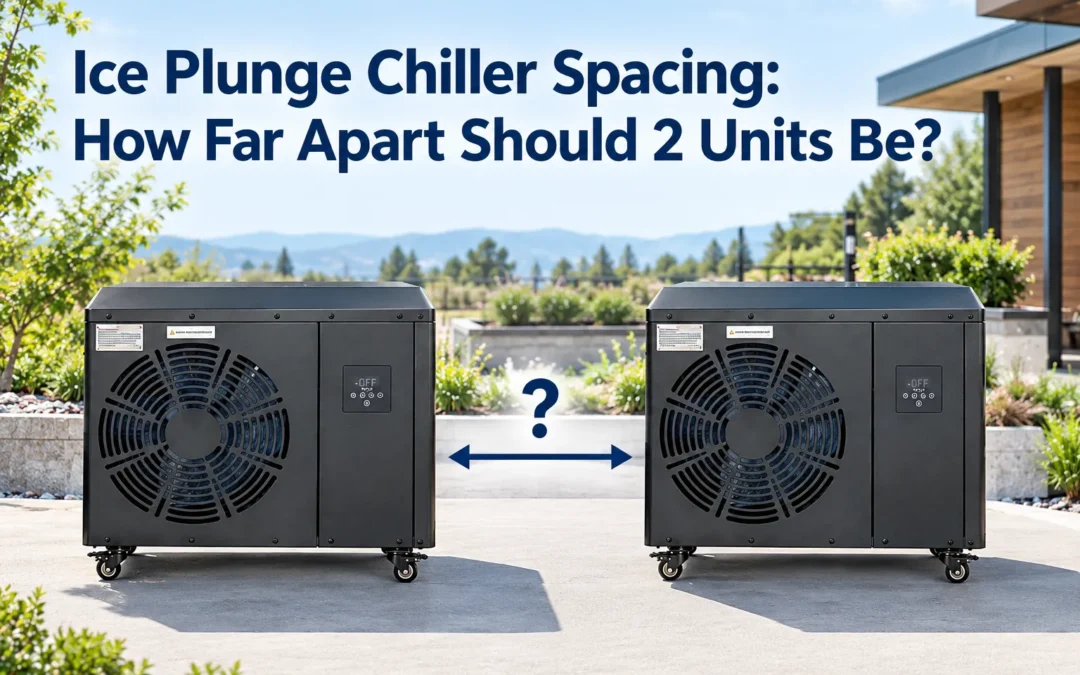
Ice Plunge Chiller Spacing: How Far Apart Should 2 Units Be?
[pac_divi_table_of_contents exclude_headings_by_class="include" included_headings="off|on|on|off|off|off" active_link_highlight="on" level_markers_3="icons" title_container_padding="10px|15px|10px|15px|true|false" title_container_bg_color="#333333"...

How to Manage Condensation Water in an Indoor Cold Plunge?
[pac_divi_table_of_contents exclude_headings_by_class="include" included_headings="off|on|on|off|off|off" active_link_highlight="on" level_markers_3="icons" title_container_padding="10px|15px|10px|15px|true|false" title_container_bg_color="#333333"...
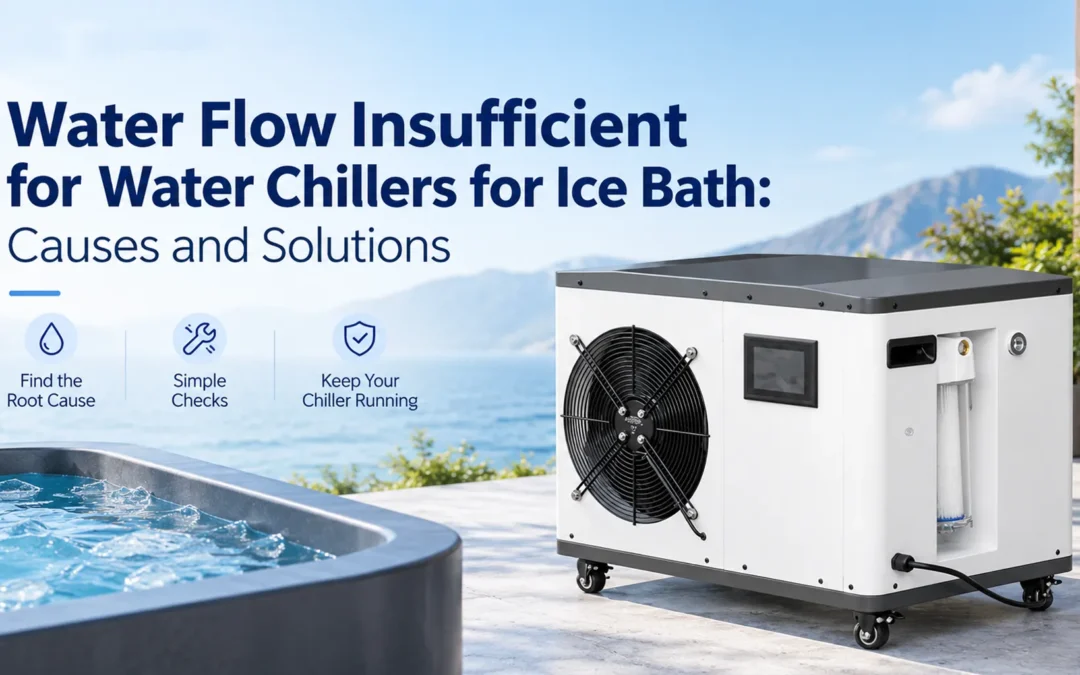
Water Flow Insufficient for Water Chillers for Ice Bath: Causes and Solutions
[pac_divi_table_of_contents exclude_headings_by_class="include" included_headings="off|on|on|off|off|off" active_link_highlight="on" level_markers_3="icons" title_container_padding="10px|15px|10px|15px|true|false" title_container_bg_color="#333333"...

Best Cold Plunge Tub for Tall People: Buying Guide
[pac_divi_table_of_contents exclude_headings_by_class="include" included_headings="off|on|on|off|off|off" active_link_highlight="on" level_markers_3="icons" title_container_padding="10px|15px|10px|15px|true|false" title_container_bg_color="#333333"...
0 Comments