
Chillers for Ice Baths: Why Insulation Matters

If the external water pipes of chillers for ice baths are not properly insulated when used in environments with large temperature differences, the circulating water may absorb heat from the surrounding air during transportation, increasing the workload of the chiller. In addition, low-temperature pipe surfaces tend to develop condensation in warm and humid conditions. Over time, this can lead to wet floors and extra cleaning and maintenance work.
In gyms, spas and rehabilitation centers, the chiller and ice bath tub are not always installed in the same location. Some projects require the two units to be connected through long water pipes. These pipes run through different surroundings and are exposed to varying levels of heat. Even if the chiller itself is well insulated, unprotected external piping can still allow the circulating water to pick up unwanted heat, which highlights the importance of chilled water pipe insulation.
So when purchasing chillers for ice baths, buyers should evaluate not only cooling capacity and minimum achievable water temperature, but also clarify which sections of the unit come with factory-installed insulation and whether the supply and return lines require separate chilled water pipe insulation. This detail should never be overlooked for installations where the chiller is placed separately from the ice bath tub.
Insulation primarily governs heat exchange of circulating water and condensation formation on cold pipelines. Understanding these two factors helps purchasers assess whether the insulation design is adequate and troubleshoot operational abnormalities of the equipment.
Reduce Ambient Heat Gain of Chilled Water Pipes
When the water temperature inside pipes is lower than the ambient temperature, heat transfers from the surroundings to the chilled water circuit. Uninsulated pipes, valves and fittings allow heat to infiltrate the circulating water system more easily.
Wrapping suitable insulation foam around piping increases thermal resistance and reduces ambient heat gain to the circulating water. The actual performance depends on the thermal conductivity and thickness of the insulation material, pipe run length, and ambient temperature conditions.
Insulation foam does not generate cooling capacity or boost the rated cooling power of chillers for ice baths. Its function is to cut extra heat load, so the chiller does not need to remove heat that could have been avoided with proper chilled water pipe insulation.
Reduce Condensation on Chilled Water Piping
When the surface temperature of pipes drops below the dew point of surrounding air, moisture in the air condenses into water droplets. So exposed cold pipes and fittings are prone to condensation in warm and humid gyms, spas or equipment rooms.
Chilled water pipe insulation slows heat transfer and helps regulate the outer surface temperature of piping to reduce condensation. However, the performance of chilled water pipe insulation depends on insulation thickness, ambient temperature and humidity, as well as installation quality. It cannot guarantee zero condensation entirely.
What Problems Can Inadequate Insulation Cause?
Incomplete insulation will not directly cause failures of chillers for ice baths, yet it can raise the system heat load and create extra daily maintenance work. If the equipment cools down slowly or persistent dampness appears around the piping, you need to diagnose the root cause based on actual operating conditions.
Longer Cooling Time
For split setups, the chiller may sit in a mechanical room while the cold plunge tub is placed in a gym area or other functional space. When circulating water travels through long external piping, uninsulated pipes, damaged insulation layers or poorly sealed joints lead to higher ambient heat gain for the water circuit.
Still, piping insulation is not the only factor affecting how fast you reach your target cold plunge water temperature. Tub volume, starting water temperature, target cold plunge water temperature, usage frequency and the chiller’s actual cooling capacity all impact cooling duration. Clogged filters, insufficient water flow or restricted piping can also lead to poor cooling performance.
Condensation Adds Extra Daily Maintenance Work
For commercially operated chillers for ice baths running continuously, persistent condensation on piping can create wet, slippery floors and bring extra cleaning and inspection tasks. If the insulation material absorbs moisture, its thermal performance will also be compromised.
When you spot damaged or wet chilled water pipe insulation, first identify whether the moisture comes from surface condensation, external water ingress or pipe leakage before deciding to re-seal or replace the material. For standing water around fittings, always check pipe connections to rule out actual leaks.
Which Parts of the Chiller Require Insulation?
The insulation scope for an ice bath cooler system depends on the equipment construction and on-site piping layout. Cold internal components of the unit and field-installed external water lines are two separate sections, and you should confirm both during purchasing.
External Supply & Return Pipes and Fittings
The supply and return lines connecting the chiller and ice bath tub are key areas for chilled water pipe insulation. These lines carry chilled water, and without proper insulation, the water is vulnerable to ambient temperature changes during transport.
Straight pipe sections are easy to wrap with insulation foam, while elbows, valves and pipe joints have complex shapes where gaps and uncovered spots often remain. Pay close attention to these areas during installation to ensure the insulation fits tightly against the piping and all seams are sealed.
Pipe clamps also require careful handling. Over-tightened clamps can compress the insulation and thin it locally, weakening thermal performance. Installation needs to secure the piping firmly without excessive compression of the insulation, while maintaining accessibility for future inspection and servicing.
Cold Internal Components of the Chiller
Some internal pipes and components of chillers for ice baths run at low operating temperatures and may come pre-insulated from the factory. Internal configurations vary across different chiller models. Check the product manual or consult the manufacturer to confirm which parts require insulation for your ice bath cooler system.
If you find uninsulated internal piping, do not open the unit to add insulation on your own. Reach out to the manufacturer first to verify whether insulation is needed and which materials are approved. This prevents disruption to normal operation and avoids complications for future maintenance.
How to Select Suitable Insulation Materials for Ice Bath Chiller Systems
An ice bath cooler system operates continuously at low temperatures. The insulation material must not only reduce heat transfer but also offer reliable moisture resistance and fit well around pipes and connection points.
NBR + PVC closed-cell foam is one viable option for chiller pipe line insulation material. You can evaluate its suitability for ice bath chiller systems from the following three aspects.
Check Thermal Conductivity and Operating Temperature Range
Thermal conductivity indicates the insulating performance of a material. A lower value means the material transfers less heat and generally delivers better insulation.
Besides insulation performance, low-temperature resistance is critical. Ice bath cooler systems circulate chilled water nonstop. If the insulation material cannot withstand these low temperatures, it may harden or crack over time, which will degrade its insulating performance.
Focus on Moisture Resistance and Joint Sealing
Chillers for ice baths circulate chilled water, keeping pipe surfaces cold. Moisture from ambient air readily condenses into droplets on cold piping. If the insulation material absorbs water easily, its insulating effect will deteriorate over time.
NBR + PVC closed-cell foam features numerous tiny, isolated air cells that block water ingress, delivering decent moisture resistance.
Material quality alone is not enough; proper installation matters too. Seams between insulation sections, pipe joints, valves and elbows all require full wrapping and tight sealing. This prevents moist air from touching cold piping and minimizes condensation on pipe surfaces.

How to Install and Inspect Chiller Pipe Insulation
Insulation for chillers for ice baths covers both internal piping and the external supply and return lines connecting to the cold plunge tub. After installation, you should verify full insulation coverage, tight seams, and check for condensation or water leaks while the unit runs.
You may focus on these five key points for inspection:
1. Confirm which pipes require insulation
First, check the equipment drawings or consult your supplier to clarify factory-pre-insulated piping and sections that need on-site insulation. Pay special attention to the supply and return lines linking the chiller and ice bath tub, instead of only checking internal unit piping.
2. Verify full coverage of all piping
Inspect the entire pipe run to ensure all sections that need insulation are fully wrapped with no bare piping exposed. Besides straight pipe sections, carefully check elbows, valves and fittings. These complex shapes often have gaps left during installation.
3. Check for gaps in insulation foam
Make sure insulation joints fit tightly without looseness, lifting or obvious openings. Seal seams with suitable tape or special adhesive to stop ambient air from contacting cold piping. Do not over-compress the insulation, as excessive squeezing will reduce its thermal performance.
4. Ensure no obstruction to operation and servicing
The installed insulation must not block ventilation openings, electrical junction boxes or access panels. Reserve sufficient working space for components that need regular inspection or maintenance, to avoid disrupting normal operation and future repairs.
5. Check for condensation or water leakage after startup
Run the chiller for a period of time and inspect the supply and return pipes, fittings and valves for water droplets or standing water.
If droplets appear on pipe surfaces, first check whether insulation wrapping is complete and seams are properly sealed. For continuous dripping, verify if pipe connections are loose or leaking. Please note that condensation and pipe leakage are separate issues and should not be confused.
For commercial ice bath projects, keep records of insulation material specifications, insulation scope and installation details. These documents serve as references for future inspections or insulation replacement.
How ColdChiller Supports Cooling Configuration for Ice Bath Projects
Selecting chillers for ice baths involves more than just cooling power. You also need to factor in tub volume, target cold plunge water temperature, pipe run length and installation environment. Especially for setups where the chiller is placed separately from the ice bath tub, chilled water pipe insulation for external water lines should be considered in the configuration stage upfront.
ColdChiller supplies ice bath cooling equipment and OEM/ODM configuration support for overseas distributors, gyms, spas and commercial project buyers. Before purchase, customers can share tub specifications, usage requirements and installation distances to discuss chiller selection and piping layout.
For commercial ice bath projects with long-hour operation, confirming cooling capacity, piping arrangement and insulation requirements in advance helps avoid installation oversights and tailor the setup to real-world operating needs.
If you are searching for a reliable chiller supplier for ice baths, feel free to reach out to ColdChiller with your project details to get customized configuration recommendations.
FAQs
Can chiller insulation speed up cold plunge water cooling?
Answer:It reduces ambient heat gain through piping, yet the actual cooling rate still depends on cooling capacity, tub volume and operating conditions.
Question2:Can insulation foam completely stop condensation?
Answer: No. Insulation thickness, material performance and seam sealing all affect the risk of condensation.
Question3:Which parts of the chiller need insulation?
Answer:External chilled water pipes generally require insulation according to site conditions. Internal components should be handled following the manufacturer’s instructions. Do not wrap compressors and condensers arbitrarily.
Get A Quote

Contact Me
Related Post You May Also Like
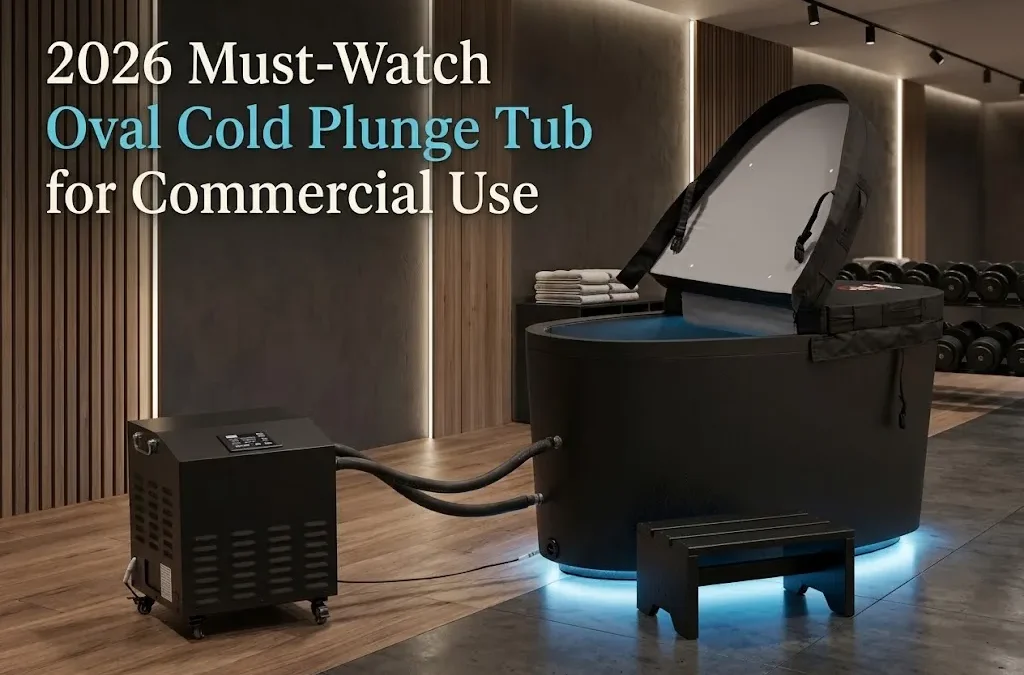
2026 Must-Watch Oval Cold Plunge Tub for Commercial Use
[pac_divi_table_of_contents exclude_headings_by_class="include" included_headings="off|on|on|off|off|off" active_link_highlight="on" level_markers_3="icons" title_container_padding="10px|15px|10px|15px|true|false" title_container_bg_color="#333333"...
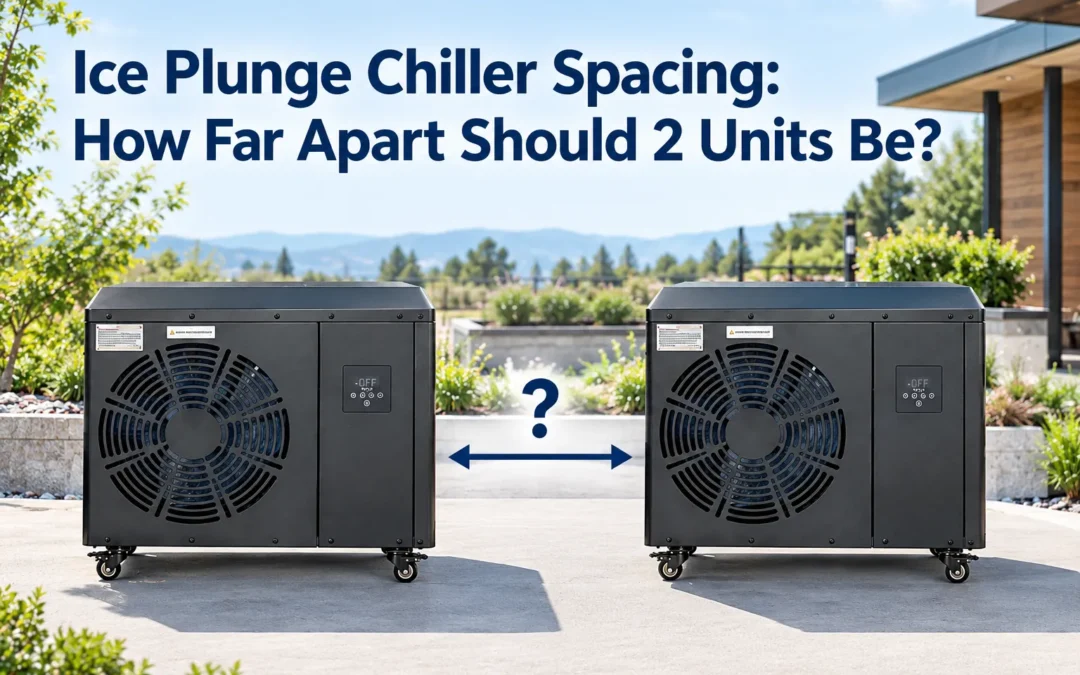
Ice Plunge Chiller Spacing: How Far Apart Should 2 Units Be?
[pac_divi_table_of_contents exclude_headings_by_class="include" included_headings="off|on|on|off|off|off" active_link_highlight="on" level_markers_3="icons" title_container_padding="10px|15px|10px|15px|true|false" title_container_bg_color="#333333"...

How to Manage Condensation Water in an Indoor Cold Plunge?
[pac_divi_table_of_contents exclude_headings_by_class="include" included_headings="off|on|on|off|off|off" active_link_highlight="on" level_markers_3="icons" title_container_padding="10px|15px|10px|15px|true|false" title_container_bg_color="#333333"...
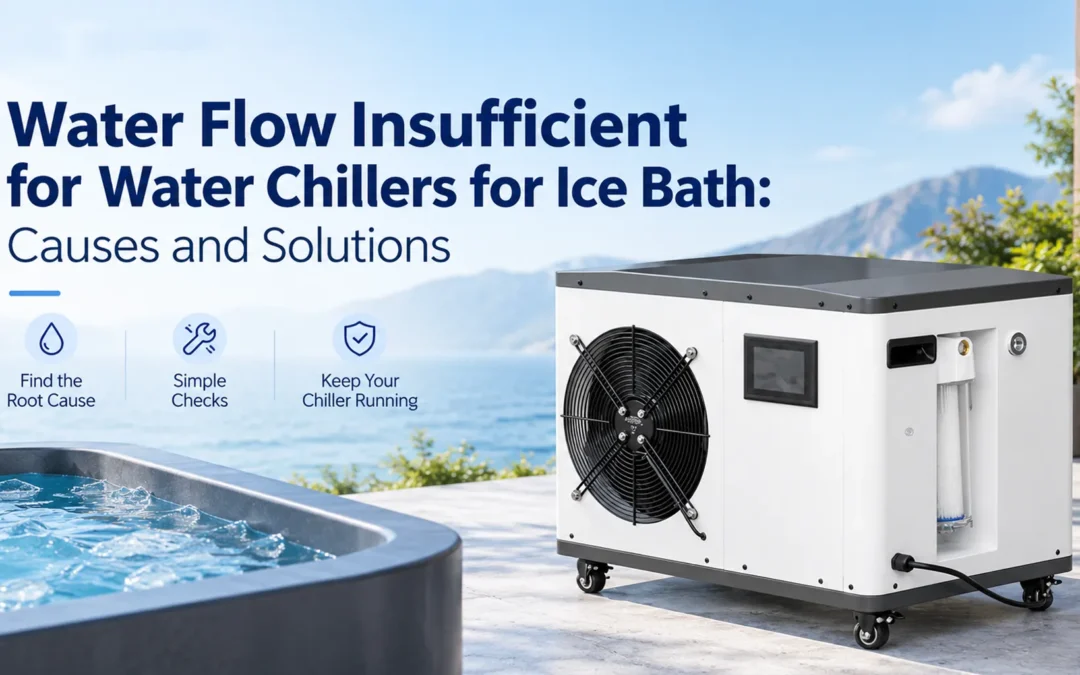
Water Flow Insufficient for Water Chillers for Ice Bath: Causes and Solutions
[pac_divi_table_of_contents exclude_headings_by_class="include" included_headings="off|on|on|off|off|off" active_link_highlight="on" level_markers_3="icons" title_container_padding="10px|15px|10px|15px|true|false" title_container_bg_color="#333333"...
0 Comments