
Cold Tub Chiller of 2026: Low Noise, High Performance

Ice baths, as a form of cryotherapy recovery in homes and businesses, have demonstrated significant value for both post-exercise recovery and daily physical and mental well-being. However, many users inevitably encounter the problem of noise from their cold tub chiller.
Excessive noise not only affects the overall ice bath experience but can also interfere with conversations with friends. As a manufacturer of ice bath chillers, Coldchiller understands the impact of noise on user experience and is committed to providing high-quality, low-noise ice bath cooling technology globally.
For example, Coldchiller’s latest cold tub chiller was developed for 2026. To learn more, please read our new ice bath chiller guide, where we will provide you with the best cold tub chiller solutions, from noise levels to key design features.
Why Are Ice Bath Chillers So Noisy?
Firstly, cold tub chillers are essentially composed of several core components, such as the compressor, fan system, structural resonance, and water pump. The noise generated during operation is usually related to these components.
Compressor
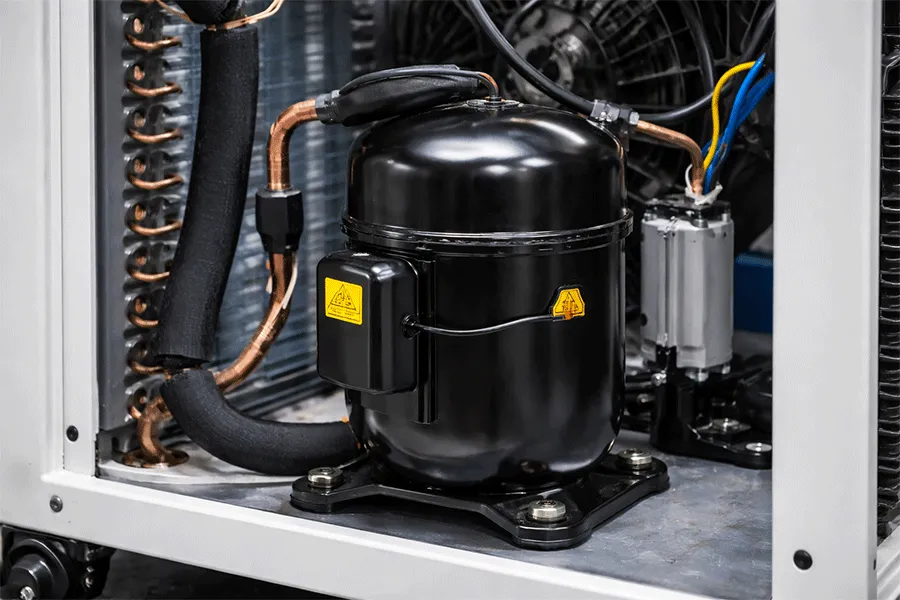
As one of the core components of a cold tub chiller, the compressor not only determines the cooling efficiency but also directly affects the stability and operating noise of the equipment. When the compressor is running, the piston in its internal structure produces a “humming” sound as it moves. Secondly, the compressor also generates mechanical vibrations during operation. If the chiller’s vibration-damping design is poor, the vibrations will be transmitted to the outer casing, amplifying the noise.
Fan Noise
The main source of noise in an cold tub chiller is usually the fan system, which is also the primary heat dissipation method during operation. Therefore, the design of different fan sizes directly determines the noise level.
However, most cold tub chillers on the market typically use small fan blades with high rotation speeds. When the fan system is running, the high-speed rotating blades cut through the air, generating significant noise.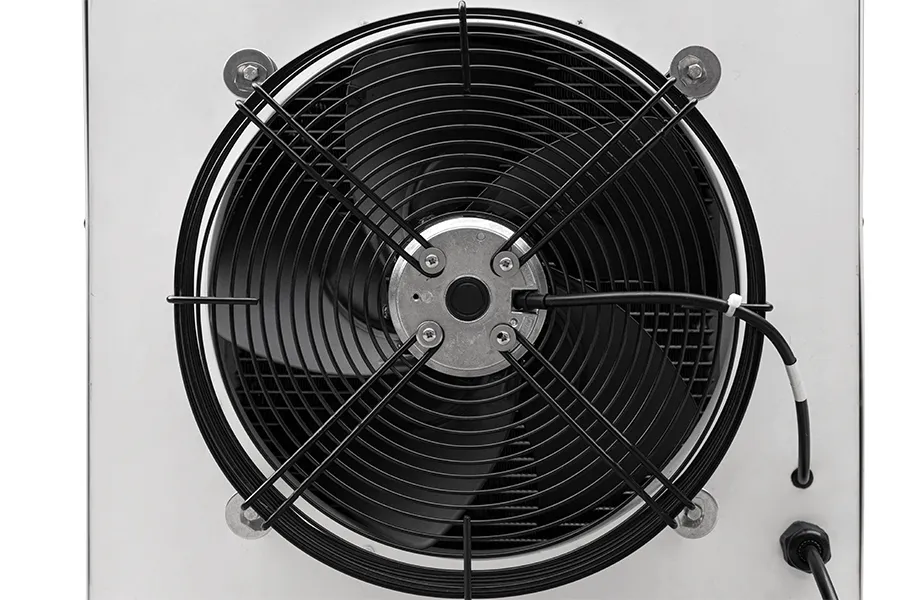
Structure and Resonance
Besides the noise generated by the core components of the chiller, a poor overall structural design can amplify vibrations and noise from other core components during operation. For example, loose screws inside the chiller can cause unstable component mounting, or uneven ground can transmit vibrations.
Coldchiller’s New 2026 Ice Bath Chiller Unit
Most cold tub chillers on the market have a noise level between 50 and 70 dB. To put it simply, a normal conversation is typically around 60 dB, while a refrigerator is around 50 dB. A noise level of 40-50 dB\ is typical of libraries and large offices.
Note: Prolonged exposure to noise levels exceeding 70 dB can cause hearing damage. This highlights the importance of considering noise levels when purchasing a cold tub chiller.
Based on customer feedback and continuous research and development, Coldchiller has comprehensively upgraded its ice bath chiller units. The latest model is not only more efficient and energy-saving, but also features significant noise reduction during operation. The following are the noise reduction design improvements:
Internal Structure Design
The new generation of cold tub chiller features a completely redesigned internal structure. The compressor, condenser, condenser coil, evaporator, and water pump are arranged more compactly and away from the fan outlet. This layout attenuates, isolates, and absorbs noise along its propagation path, resulting in lower overall noise levels during operation.
Large Fan Blade Design
Secondly, compared to the small fan blades of the previous generation of cold tub chiller, this model features a large fan blade design. This reduces overall fan speed and airflow resistance without affecting airflow. This means the device not only operates with lower noise and vibration but also offers more stable performance.
Furthermore, while most users intuitively associate metal with higher-end quality and durability, it also tends to generate more vibration and noise. This ice bath refrigerator’s large fan blades are made of high-quality plastic, resulting in smoother startup, lower operating load, and, importantly, the plastic material absorbs vibration, reducing noise at its source.
Note: The new ice bath chiller produces a relatively low, whistling fan noise during operation; the noise is primarily from the compressor.
What are Some Ways to Reduce The Noise of an Cold Tub Chiller
Coldchiller, as a manufacturer of ice bath refrigerators, not only provides you with an efficient, low-noise cold tub chiller but also answers to related questions. If you have already purchased a chiller from another brand, are there any ways to reduce its noise? The answer is yes. Although the problem isn’t solved at its source, the following methods can effectively mitigate the noise impact.
Adding Sound Insulation
To reduce noise from the cold tub chiller, you can add sound insulation cotton to some internal pipe structures and inner walls. This sound-insulating cotton can effectively insulate and absorb sound, thereby reducing the buzzing vibration. Additionally, if the chiller outer casing is relatively thin and prone to resonance, it can be reinforced by adding stiffeners or damping adhesive.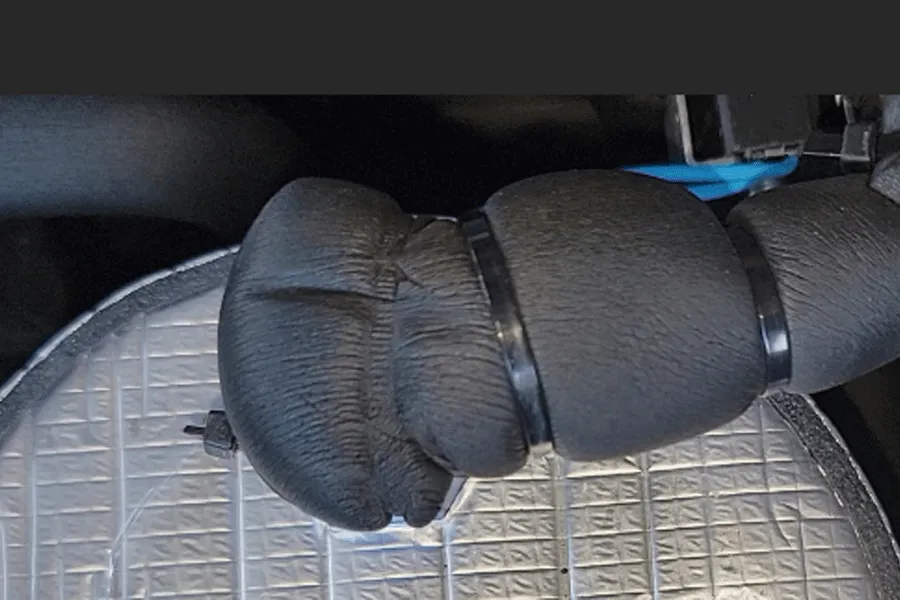
Adding Vibration-Damping Pads or Rubber Pads
By placing the cold tub chiller under it, you can add rubber pads or vibration-damping pads. This can reduce the vibration transmitted to the ground by 20-30%.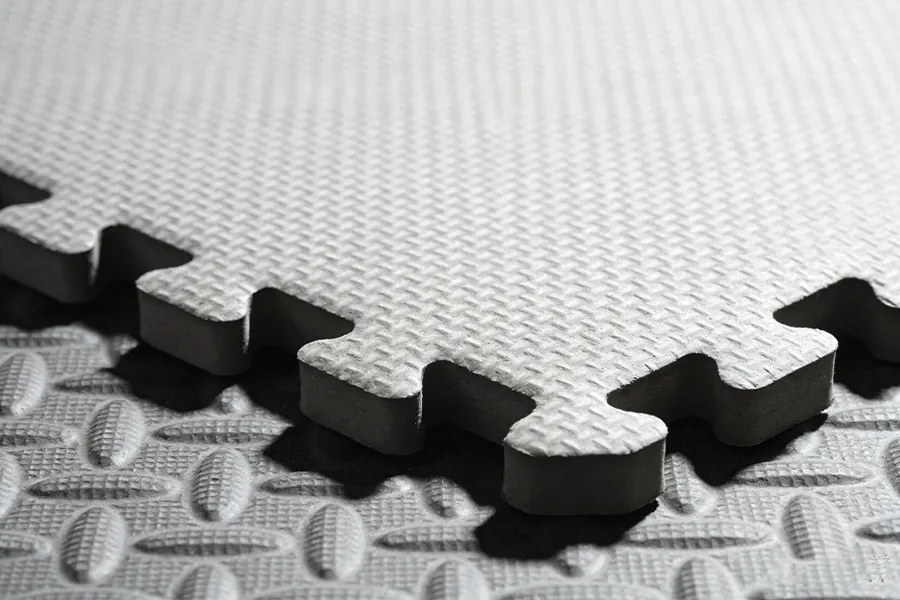
Proper Placement of the Ice Bath Chiller
Regardless of the brand of chiller unit purchased, we recommend avoiding placement in small, enclosed spaces. The cold tub chiller unit should be placed at least 1.5 meters away from walls to prevent resonance and ensure proper ventilation. Otherwise, noise transmission will increase, and cooling efficiency will decrease.
Replacing the Ice Bath Chiller Unit
The above methods primarily aim to reduce the noise impact of the cold tub chiller unit. However, the problem needs to be addressed at its root. If you still find the noise from the chiller unit significantly affecting you, we strongly suggest purchasing a new ice bath refrigeration unit. This will not only reduce noise but also provide a more comfortable ice bath experience.
The Market for Cold Chillers and Ice Baths
With increasing demand, the cold tub chller is rapidly developing, offering a wide variety of ice bath chillers, ranging from entry-level to high-end models. However, most manufacturers prioritize cost control in their chiller design. Therefore, they use cheaper materials or simpler designs, attracting customers with lower prices while neglecting overall quality and user experience.
Rapid Cooling
As a form of cryotherapy, ice baths globally prioritize “rapid cooling.” Consequently, most manufacturers increase compressor power and enhance heat dissipation to achieve faster cooling. While this method effectively improves cooling efficiency, it also introduces problems.
Firstly, prolonged high-load operation of the compressor shortens its lifespan. Secondly, energy consumption increases, leading to higher operating costs. Finally, the fan needs to run at higher speeds to assist in heat dissipation, resulting in increased noise during operation.
Cost Control
Many customers are highly price-sensitive, leading many refrigeration unit manufacturers to use standard compressors, simplified air duct structures, and thinner casings to produce machines that meet market demands. This creates a conflict between cost control and performance requirements, ultimately resulting in most cold tub chiller units on the market failing to achieve optimal noise levels, and even falling short in basic cooling performance.
Coldchiller Ice Bath Chiller
As a high-end ice bath chiller manufacturer, Coldchiller focuses not only on the cooling and heating performance of its refrigeration units but also on optimizing the overall user experience. In addition to providing customers with more efficient and stable temperature control, we have also conducted detailed and systematic optimizations in areas such as low-noise design, convenient water pump replacement, and low-energy-consumption system design.
Regarding material selection, we insist on using high-quality, more durable core components and external structural materials to ensure the long-term stability and reliability of our ice bath chiller units.
FAQs
Question 1. What is The Normal Decibel Range for an Cold Tub Chiller Unit?
Answer: Generally, 50-60 dB is considered a safe range for chiller units, suitable for most scenarios. Exceeding 65 dB, especially in quiet indoor environments, can negatively impact the user experience. Prolonged exposure to 70 dB can cause ear damage.
Question 2. Does The Noise Level of a Ice Bath Chiller Unit Affect Its Cooling Performance?
Answer: It has some relation, but it’s not absolute. Noise usually doesn’t equal cooling efficiency. However, in traditional cold tub chiller unit designs, increasing compressor power and fan speed leads many to believe that louder noise means stronger cooling.
Of course, if the fan is too slow and heat dissipation is insufficient, cooling efficiency will decrease. Similarly, poor ventilation will force the fan to speed up, increasing noise and reducing cooling efficiency.
Question 3. Will Prolonged Operation of a Chiller Unit Increase Noise?
Answer: It’s possible. First, prolonged use can cause dust accumulation inside the cold tub chiller, affecting heat dissipation. Second, aging components can cause significant vibration, leading to increased noise.
Get A Quote

Contact Me
Related Post You May Also Like
Ice Plunge Chiller Spacing: How Far Apart Should 2 Units Be?
[pac_divi_table_of_contents exclude_headings_by_class="include" included_headings="off|on|on|off|off|off" active_link_highlight="on" level_markers_3="icons" title_container_padding="10px|15px|10px|15px|true|false" title_container_bg_color="#333333"...

How to Manage Condensation Water in an Indoor Cold Plunge?
[pac_divi_table_of_contents exclude_headings_by_class="include" included_headings="off|on|on|off|off|off" active_link_highlight="on" level_markers_3="icons" title_container_padding="10px|15px|10px|15px|true|false" title_container_bg_color="#333333"...
Water Flow Insufficient for Water Chillers for Ice Bath: Causes and Solutions
[pac_divi_table_of_contents exclude_headings_by_class="include" included_headings="off|on|on|off|off|off" active_link_highlight="on" level_markers_3="icons" title_container_padding="10px|15px|10px|15px|true|false" title_container_bg_color="#333333"...

Best Cold Plunge Tub for Tall People: Buying Guide
[pac_divi_table_of_contents exclude_headings_by_class="include" included_headings="off|on|on|off|off|off" active_link_highlight="on" level_markers_3="icons" title_container_padding="10px|15px|10px|15px|true|false" title_container_bg_color="#333333"...
0 Comments