
You Need to Know About Pump Head (Hydraulic Head) in Cold Plunge Systems
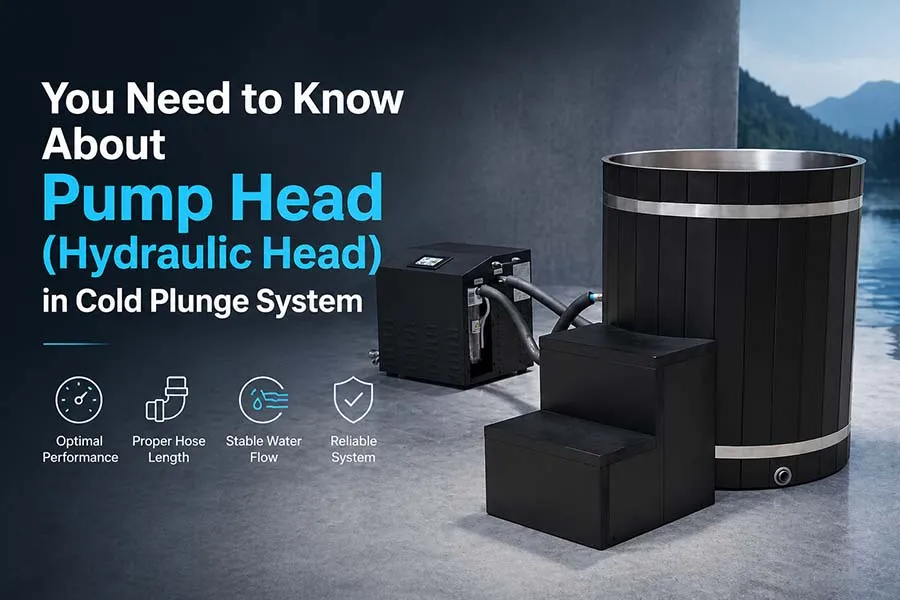
Cold plunge tubs have become essential equipment for fitness enthusiasts, wellness centers, and commercial establishments such as gyms and spas. They are widely utilized to alleviate muscle soreness, accelerate recovery, and enhance overall athletic performance. For commercial operators, cold plunge systems also create opportunities for generating additional revenue and elevating the customer experience.
Whether a customer purchases a complete cold plunge systems from a manufacturer, sources components from a wholesaler, or builds a DIY cold plunge setup, one critical factor is often overlooked: the cold plunge chiller water pump (specifically, its hydraulic head). This parameter is vital to the performance of the cold plunge systems, as it directly determines the permissible distance between the plunge tub and the chiller, and consequently, the required length of the connecting hoses.
What is Cold Plunge Chiller Water Pump Hydraulic Head?
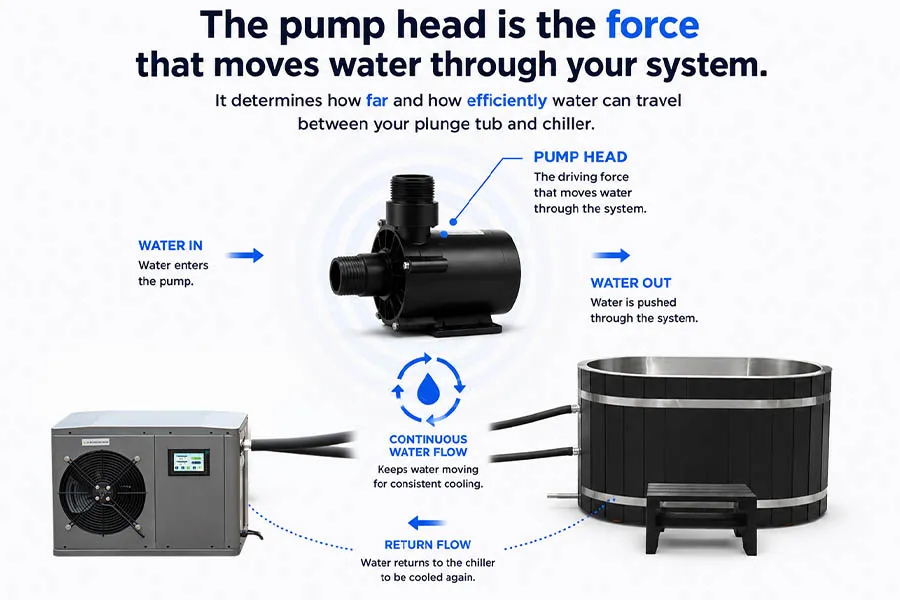
Hydraulic head refers to the energy gained per unit weight of fluid as it flows through a pump. Simply put, it represents the pump’s capacity to transport water.
Hydraulic head is typically defined by the pressure difference between the pump’s inlet and outlet, encompassing the pressure components of both suction and discharge. In practical applications, the hydraulic head determines the pump’s efficiency in overcoming pipe length, elevation, and system frictional resistance.
Simply put, you can think of the hydraulic head as the powerful force that drives the water within a cold plunge system.
The Coldchiller manufacturer utilizes a water pump with a flow rate of 30 L/min, which has an operating lifespan of 15,000 hours.
Engineer-Recommended Cold Plunge Chiller Hose Length and Chiller Connection
The Coldchiller manufacturer provides a standard connection hose length of 80 cm, the length recommended by our cold plunge chiller water pump engineers to ensure optimal system performance.
Although our cold plunge water pump can achieve a hydraulic head of up to 45 meters under ideal, straight-line conditions, this figure does not account for the resistance encountered in practical applications. In actual use, factors such as elbows, fittings, internal components (including the titanium alloy heat exchanger), and the overall design of the cold plunge systems all contribute to a loss of flow rate.
Since the cold plunge chiller employs a continuous circulation system, water flows through multiple internal components, each of which generates a certain amount of resistance. Consequently, as the length of the hoses and the complexity of the system increase, the effective performance of the water pump decreases.
Therefore, Coldchiller recommends a hose length of 80 centimeters to ensure optimal flow, stable cooling performance, and long-term reliability of the cold plunge systems.
What Should Be Done if Environmental Conditions Require a Longer Hose?
In actual installations, many customers encounter layout constraints. For instance, some customers prefer to place the cold plunge tub indoors while installing the chiller outdoors. In such cases, the hoses connecting the tub and the chiller typically require extension, sometimes even approaching or exceeding the limits of the water pump’s head capacity.
Based on our tests, the maximum hose lengths for the inlet and outlet pipes may vary:
● Inlet Pipe (to Chiller): Max. 4 m
● Outlet Pipe (from Chiller): Max. 9 m
However, these values depend heavily on the actual installation environment, including pipe routing, elbows, and the configuration of the cold plunge systems. (Nevertheless, we still do not recommend using such long plumbing connections.)
It is important to note that longer hoses can significantly reduce water flow and velocity, thereby directly impacting cooling efficiency and overall system performance. Therefore, if your installation requires a hose length exceeding our recommended 80 cm, we strongly advise you to consult our team. We will evaluate your specific installation setup and operating environment to provide the most suitable installation solution.
In certain situations, an excessively long hose can cause the inlet and outlet flow rates to fall below the threshold required to activate the cold plunge chiller, and may even prevent the compressor from starting properly.
To address this issue, we recommend adding cold plunge circulation pumps:
● Install one circulation pump on the inlet line
● Install one circulation pump on the outlet line
For proper installation and configuration, please contact us. Our engineering team will provide detailed technical guidance to ensure stable and efficient operation.
Does Hose Diameter Affect Cold Plunge Systems Performance?
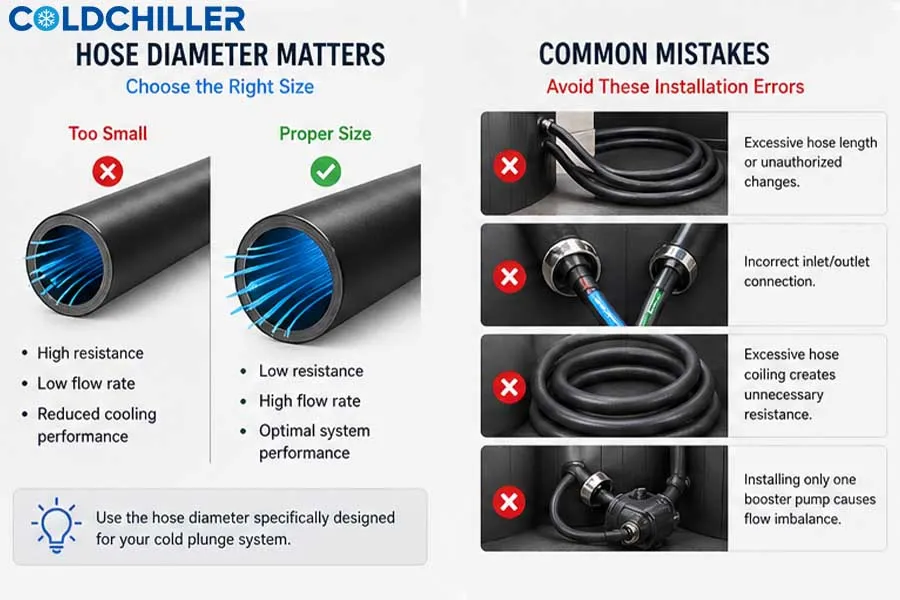
Of course. The diameter of the hose has a direct impact on the performance of a cold plunge system. A smaller diameter increases flow resistance, thereby reducing water flow and overall efficiency. However, a larger diameter is not always better. It must be perfectly matched to the design of the cold plunge systems and the specifications of the water pump.
Therefore, Coldchiller provides hose diameters specifically optimized for our cold plunge systems. We do not recommend modifying or replacing the hose diameter yourself, as improper sizing may lead to reduced performance or system instability.
Common Mistakes When Connecting Hoses to a Cold Plunge Tub Chiller
Although the hose connection between the cold plunge tub and the cold plunge chiller may appear quite simple, failing to install it according to the requirements can compromise the chiller’s performance and even lead to operational malfunctions. Based on our after-sales experience, the following are the most common errors.
Unauthorized Alteration of the Hose Diameter or Length Without Proper Guidance
Arbitrarily altering the hose size or extending its length increases system resistance and reduces flow rate. This adversely affects the proper operation of the cold plunge chiller and compromises its cooling performance.
Incorrect Inlet/Outlet Connection
Failure to connect the hoses in accordance with the instructions (for example, if the inlet and outlet ports of the chiller do not match those of the cold plunge tub) will disrupt water circulation and lead to cold plunge system failure.
Excessive Hose Coiling
In certain situations, even when the distance between the cold plunge tub and the chiller is short, customers may extend the hose length and then coil the excess hose into loops. This creates unnecessary bends, increases flow resistance, and reduces efficiency.
Improper Water Pump Configuration in Commercial Premises
In commercial settings such as spas and gyms, the cold plunge chiller is typically installed outdoors, while the cold plunge tub is situated indoors. Some clients install a booster pump solely on the water inlet line, which results in an imbalance in the outlet flow rate. To ensure stable operation, it is essential to properly manage both the inlet and outlet water flow rates.
How to Determine If Your Cold Plunge System Requires Booster Pumps (Installation & Quantity Guide)
Regarding this situation, we require the customer to provide on-site photographs so that we may formulate a final solution. Since site layouts vary, leading to differences in installation and placement, and given that the lengths of the inlet and outlet hoses also differ, the appropriate solution will vary from case to case. Therefore, any responsible manufacturer of cold plunge systems must assess the actual on-site conditions in order to provide a specific, tailored solution.
When Do You Need Additional Booster Pump for Cold Plunge?
Whether your cold plunge system requires an additional booster pump depends on the specific installation environment. Factors such as the length of the inlet and outlet hoses, the complexity of the piping, elevation differences, and the overall system layout all influence water flow and pump performance.
Generally speaking, if you encounter the following situations, you may require the extra water pump:
● The distance between the cold plunge tub and the chiller is excessive, resulting in a noticeably insufficient water flow rate at the outlet.
● The cold plunge chiller is positioned at an elevated level, and the distance between the tub and the chiller is excessive.
● The piping is complex and features multiple elbows.
● The compressor experiences difficulty starting or struggles to maintain stable operation.
Where to Install Them?
However, generally speaking, installing a booster pump at both the inlet and outlet can resolve most issues. Yet, this is not an universal solution. Every installation environment is unique, and the optimal configuration depends on the actual conditions at the site.
How Many Booster Pumps Are Needed?
The number of booster pumps required depends on your system layout, hose length, and installation conditions. In general, a balanced configuration (one pump on the inlet line and one on the outlet line) is recommended to maintain stable water flow.
Professional Recommendation
Coldchiller recommends that customers provide photos or videos of the installation environment, including the placement of the tub and chiller, as well as the routing and length of the hoses. Based on this information, our engineering team will assess your installation setup and provide a customized, reliable solution.
A professional and responsible manufacturer of cold plunge systems should always offer recommendations based on actual installation conditions, rather than providing generic advice.
FAQs: Cold Plunge Hoses, Water Pumps, and Booster Pumps
Question1: When Purchasing a Cold Plunge Tub, Is There an Extra Charge if I Need to Extend the Length of the Hose?
Answer: Our standard hose length is 80 cm. If you require a longer hose, please communicate with our sales team in advance.
Question2: What Is the Optimal Hose Length Between a Cold Plunge Tub and an Ice Bath Chiller?
Answer: 80 cm.
Question3: Can I Replace the Hose Diameter Myself?
Answer: No. The hose diameter is specifically designed for the cold plunge systems. Changing the hose diameter may increase resistance or reduce flow rate, thereby negatively impacting cooling performance and system stability.
Question4: Where Should the Booster Pump Be Installed?
Answer: Typically, one booster pump is installed on the inlet pipe, and the other is installed on the outlet pipe. The specific placement depends on your layout, hose length, and system design.
Question5: Can I Place the Cold Plunge Chiller Outdoors While Keeping the Cold Plunge Tub Indoors?
Answer: Yes, but due to the extended hose length, a booster pump is required to maintain normal flow rates. Please consult Coldchiller for a customized solution to avoid performance issues.
Question6: Can the Hose Handle Repeated Bending and Flexing?
Answer: No. Each bend increases resistance and reduces flow rate. Minimizing bends, keeping the hose straight, and following the recommended routing method will improve the performance of the cold plunge systems.
Get A Quote

Contact Me
Related Post You May Also Like
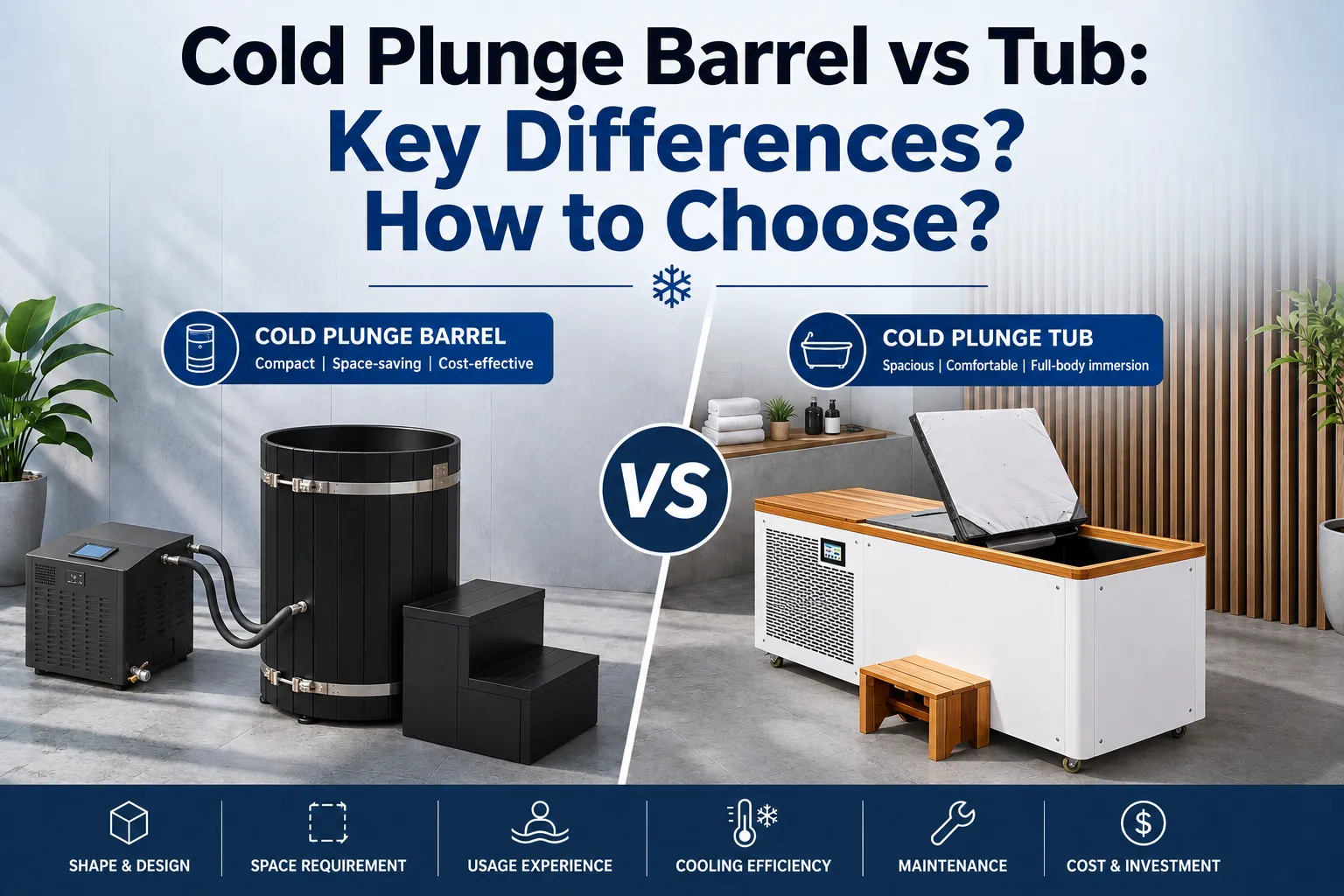
Cold Plunge Barrel vs Tub: Key Differences?How to Choose?
[pac_divi_table_of_contents exclude_headings_by_class="include" included_headings="off|on|on|off|off|off" active_link_highlight="on" level_markers_3="icons" title_container_padding="10px|15px|10px|15px|true|false" title_container_bg_color="#333333"...
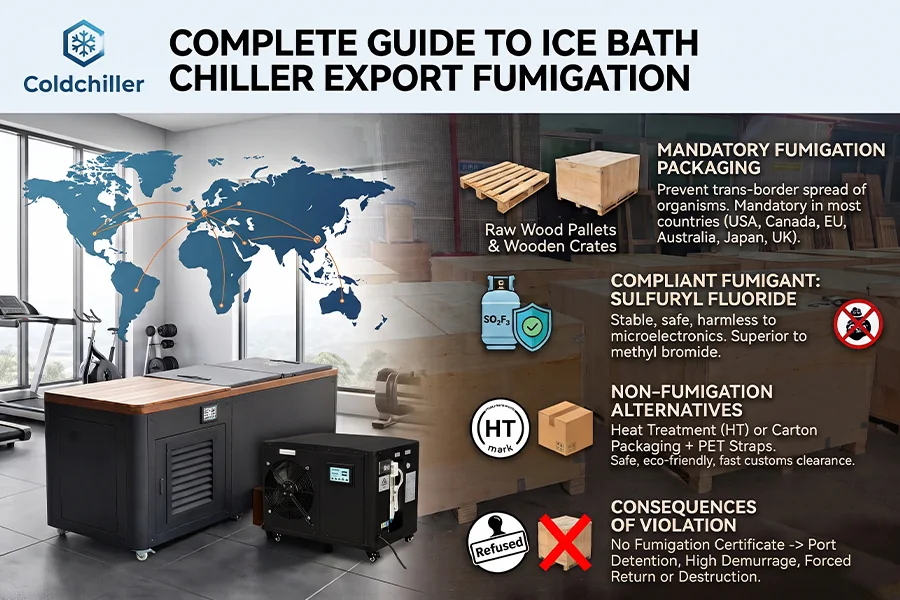
Cold Plunge Chiller Transport:Fumigation Guidelines
[pac_divi_table_of_contents exclude_headings_by_class="include" included_headings="off|on|on|off|off|off" active_link_highlight="on" level_markers_3="icons" title_container_padding="10px|15px|10px|15px|true|false" title_container_bg_color="#333333"...
The Sauna & Ice Bath Opportunity You Can’t Ignore
[pac_divi_table_of_contents exclude_headings_by_class="include" included_headings="off|on|on|off|off|off" active_link_highlight="on" level_markers_3="icons" title_container_padding="10px|15px|10px|15px|true|false" title_container_bg_color="#333333"...
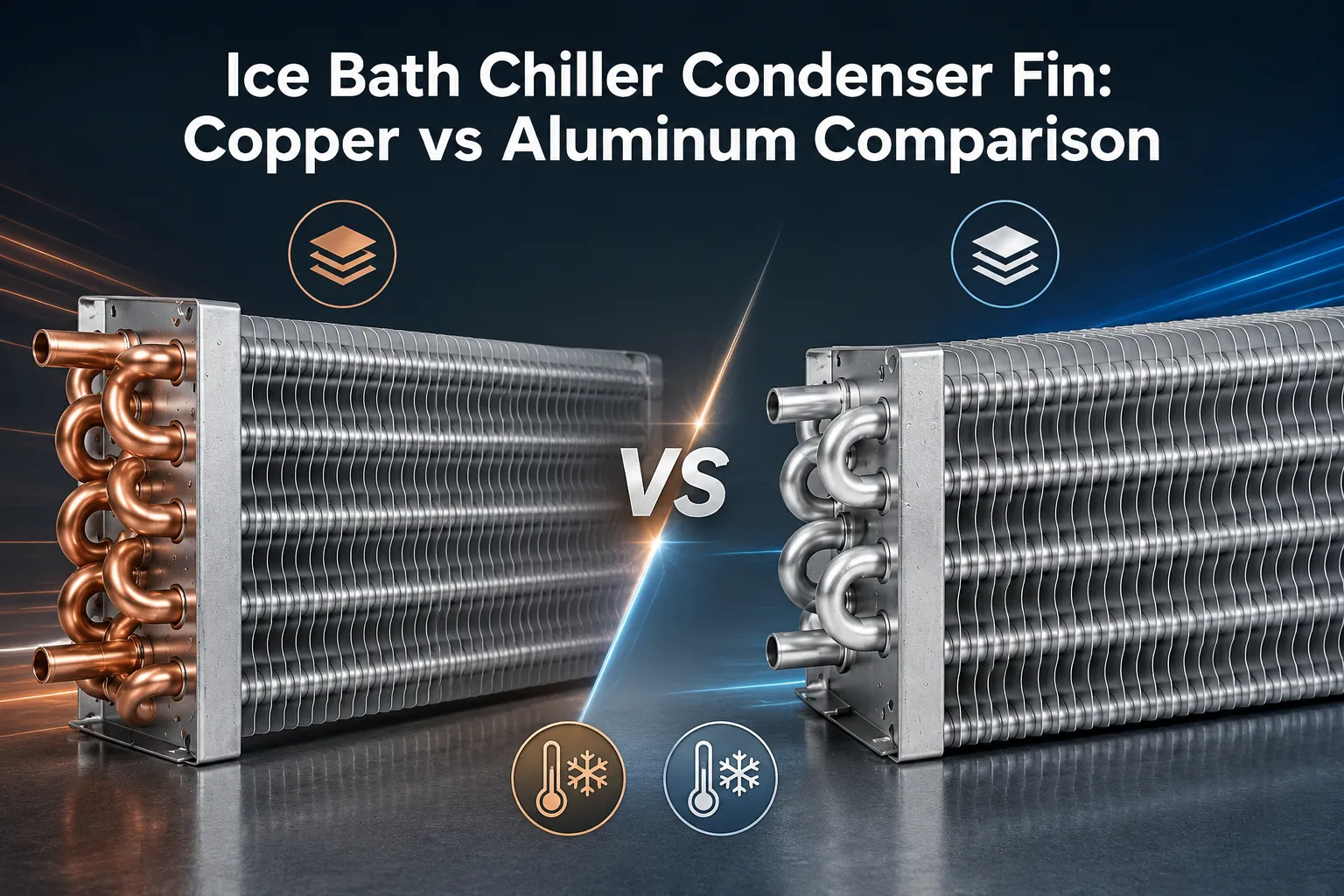
Ice Bath Chiller Condenser Fin: Copper vs Aluminum Comparison
[pac_divi_table_of_contents exclude_headings_by_class="include" included_headings="off|on|on|off|off|off" active_link_highlight="on" level_markers_3="icons" title_container_padding="10px|15px|10px|15px|true|false" title_container_bg_color="#333333"...
0 Comments