
Is Continuous Running Safe for Commercial Ice Bath Chillers? The Lifespan & 24-Hour Operation Guide

For clients considering adding ice bath facilities to their commercial projects, a key concern is whether ColdChiller commercial ice bath chillers can withstand prolonged, high-frequency, and stable operation in commercial settings.
Common questions include: Can commercial ice bath chillers support continuous operation? Will long-term, high-frequency use impact the equipment‘s lifespan? This article will address these concerns from the perspective of actual commercial needs.
Why Commercial Ice Baths Need Continuous Running
For commercial ice bath equipment, 24-hour continuous operation is a common practice and a rational choice in the industry. Given that commercial ice baths accommodate a large number of users daily (typically dozens of people), the water system faces a significant pollution load.
Therefore, the circulation and filtration system must operate nonstop to maintain water flow. This is complemented by sterilization measures such as ozone treatment to prevent water turbidity and bacterial growth.
Are Commercial Ice Bath Chillers Fit for 24-hour Running?
In commercial settings such as gyms and spa centers, ice bath facilities typically require prolonged continuous operation and withstand frequent use. So, can ColdChiller ice bath chillers support extended runtime? The answer is definitely yes—commercial ice bath refrigeration systems are specifically engineered for 24-hour stable running.

Automatic Start-Stop of Cooling System
Some users may worry that prolonged continuous running of the cold plunge chiller would damage the compressor. In fact, the ColdChiller water chillers maintain a constant temperature not by running the compressor at full power continuously, but by alternating between two modes: “high-power cooling” and “low-power temperature maintenance.”
Once the water temperature reaches the set point, the compressor automatically stops working. The unit then enters a low-energy state where only the circulation pump maintains water flow. At this point, the compressor consumes no energy. It only restarts when the water temperature deviates by 2°C from the set value.
In other words, the device continuously runs ≠ the compressor continuously operates.
The device is continuously powered, but the compressor operates intermittently. This automatic start-stop mechanism controlled by temperature difference is essentially designed for long-term operation.
Effects of Continuous Running vs. Frequent Start-Stop on Compressor
Any machine will inevitably experience wear and tear during prolonged continuous operation, and water chillers are no exception. For example, compressors gradually age with increased cumulative operating time, while fan bearings suffer wear. However, these represent natural wear within design expectations and do not affect stable operation throughout its design lifespan.
Compared to continuous operation, frequent starting and stopping pose greater risks. For example, in commercial settings, if the equipment is frequently switched on and off due to customer use, these frequent load changes will significantly affect the equipment’s lifespan.
Therefore, maintaining long-term operation with properly set water temperatures is more conducive to the durability of commercial ice bath equipment.
Commercial Ice Bath Chiller Lifespan
The ColdChiller commercial ice bath chillers are designed for a service life of 20,000 to 30,000 hours. Under continuous 24-hour operation, the water pump typically reaches its service limit first and is expected to require replacement in approximately 2 years. Additionally, the ozone system has a designed service life of 8,000 hours, and it is recommended to replace it periodically based on actual usage time.
Continuous Running Requirements
What truly affects the lifespan of commercial ice bath chillers is not “running too long,” but rather high-load operation caused by incorrect operating conditions. Therefore, to achieve truly long-term, stable operation in commercial settings, the following prerequisites are essential.
Keep the Filtration System Clear
The primary requirement is maintaining a clear and unobstructed filtration system. Frequent use in commercial settings quickly introduces impurities into the water. Poor filtration will have a dual impact: firstly, it affects water quality, as accumulated organic matter reduces the effectiveness of ozone disinfection; secondly, clogged filters easily cause pump overload, shortening the pump’s lifespan.
Therefore, we recommend that commercial ice bath operators establish a schedule for regular maintenance and shutdown management, specifically including:
Daily Maintenance (without shutdown ):
- Use a skimming net to skim hair, dust, and other visible debris from the water surface and pool walls.
- Observe whether the water flow is stable. If water flow weakens, shut down the system to check the filter cartridge and whether air is entering the front of the water pump.
Verify the ozone system is functioning normally.
Every 1–3 Days (requires shutdown):
- Clean the filter net.
- Replace filter cartridges (frequency depends on customer traffic)
Every 5–7 days (requires shutdown):
- Complete water change (Under normal conditions, it is recommended to change the water after 10-15 uses of the ice bath. For high-traffic areas, increase the frequency to every 1-3 days)
Proper Ventilation
Proper ventilation is critical for the normal operation of the ice bath chiller. Poor ventilation hinders heat dissipation from the condenser, not only reducing compressor efficiency but also potentially triggering “overheat protection shutdown.”
Therefore, during installation, ensure that there is at least 50 cm of space in front of the condenser’s ventilation opening to allow for proper airflow.
Optimal Daily Operation Strategy for High-Frequency Use
For commercial ice bath chillers that operate with high daily usage, running continuously throughout the day is often essential to maintain stable service. However, this inevitably leads to increased energy consumption. As a result, identifying ways to minimize operating costs while keeping the system running without interruption has become a key concern shared by many customers.
Choose Well-Insulated Commercial Ice Bath Tubs
In high-frequency usage scenarios such as commercial gyms, spas, or recovery centers, ice bath equipment typically needs to maintain a low temperature for extended periods. In such cases, the insulation performance of the Ice Bath Tubs directly determines operating costs and compressor lifespan—superior insulation slows water temperature recovery, resulting in less frequent compressor restarts to compensate for temperature changes, thus significantly saving on electricity costs.
To address this, ColdChiller places particular emphasis on the insulation function of commercial ice bathtubs: not only adding insulation layers between the outer shell and inner liner, but also recommending solid wood shells with excellent heat retention. This achieves longer-lasting temperature stability and lower operating costs.

Cover the Tub
The insulated lid prevents external heat transfer into the water, effectively stabilizing water temperature. This reduces the frequency of compressor starts to compensate for temperature changes, directly lowering energy consumption. Additionally, it prevents dust and other impurities from entering the water, helping to keep the water clean.
Recommended Installation Environment
The hotter the surrounding environment, the higher the energy consumption of commercial ice bath refrigeration systems. Therefore, we recommend:
- Preferred placement: Place ice bath equipment indoors, semi-indoors, or in a well-ventilated location with shade.
- Avoid high temperatures: Keep away from direct sunlight and other continuous heat sources.
- Ensure ventilation: Leave sufficient space in front of the ventilation openings; please do not place them against walls or in a closed, dead corner.

Set Nighttime Energy-Saving Temperature
During unoccupied nighttime hours, raising the set temperature by 3–5°C significantly reduces the compressor’s workload. The closer the target water temperature approaches ambient temperature, the lower the power required by the compressor, thereby decreasing energy consumption.
Practical Example:
- Daytime operating temperature: 5–10℃
- Nighttime energy-saving temperature: 10–15℃
- Morning Pre-opening: Pre-cool the water to restore the temperature from the nighttime setting of 10–15℃ to the daytime operating temperature.
Note: During cold seasons, the nighttime energy-saving temperature can be set directly near the ambient temperature (e.g., 8–10℃).
Use Timers or Smart Thermostats
Using timers or smart temperature control not only allows for time-segmented water temperature adjustment but also prevents energy waste caused by staff forgetting to lower nighttime temperatures. ColdChiller commercial ice bath chiller supports Wi-Fi connectivity. And users can also remotely control them via the Ice Bath app.
- The Schedule function automatically adjusts the water temperature to an energy-saving level (10-15℃) during nighttime hours, eliminating the need for manual operation by staff.
- Supports adding and simultaneously controlling multiple devices, with a synchronized schedule for unified management.

Regularly Clean the Chiller
After prolonged operation, filter clogging and condenser dust accumulation are common issues with commercial ice bath chillers. Regular cleaning can effectively improve performance and extend lifespan.
- Use a vacuum cleaner to remove external dust.
- Use an air blow gun to clear dust from fans and condensers (disconnect power before operation).
- Regularly inspect and replace filter cartridges; specific intervals depend on actual usage conditions.
Conclusion
In conclusion, ColdChiller commercial ice bath chillers are fully capable of stable, continuous operation under proper working conditions. For gyms, spas, sports recovery centers, or other high-demand scenarios, running equipment 24 hour a day not only provides “ready-to-use at any time” service but also reduces long-term operational costs through strategies like scheduled temperature control.
If your project involves planning or upgrading commercial ice bath facilities, please contact ColdChiller.We will provide you with one-on-one professional support.
FAQ on Long-Term Running of Ice Bath Chillers
Frequently Asked Questions
Q1:Is it recommended for individual users to keep the device running continuously for 24 hours?
Answer:Individual users don’t use the ice bath frequently, and keeping the equipment running continuously for 24 hours would be energy-intensive. Therefore, we recommend turning the device on and off only once a day (frequent start-stop is not recommended). This will meet usage needs and save on electricity bills.
Q2:How many times should commercial ice baths be disinfected with ozone?
Answer:The higher the customer traffic, the more frequently disinfection is needed. We recommend using ozone disinfection 3-4 times a day. Additionally, depending on water quality, hydrogen peroxide can be used to purify the water.
Get A Quote

Contact Me
Related Post You May Also Like
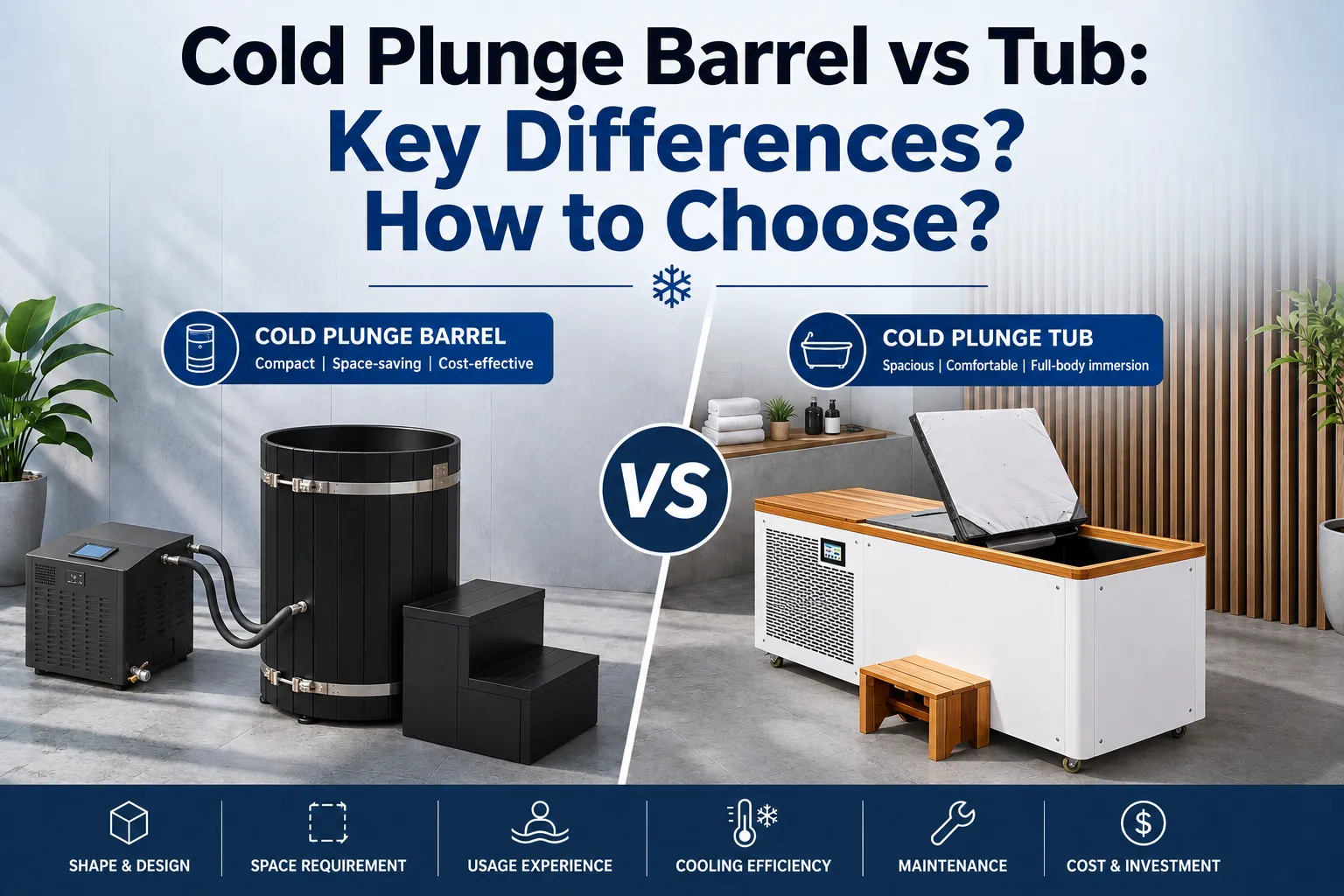
Cold Plunge Barrel vs Tub: Key Differences?How to Choose?
[pac_divi_table_of_contents exclude_headings_by_class="include" included_headings="off|on|on|off|off|off" active_link_highlight="on" level_markers_3="icons" title_container_padding="10px|15px|10px|15px|true|false" title_container_bg_color="#333333"...
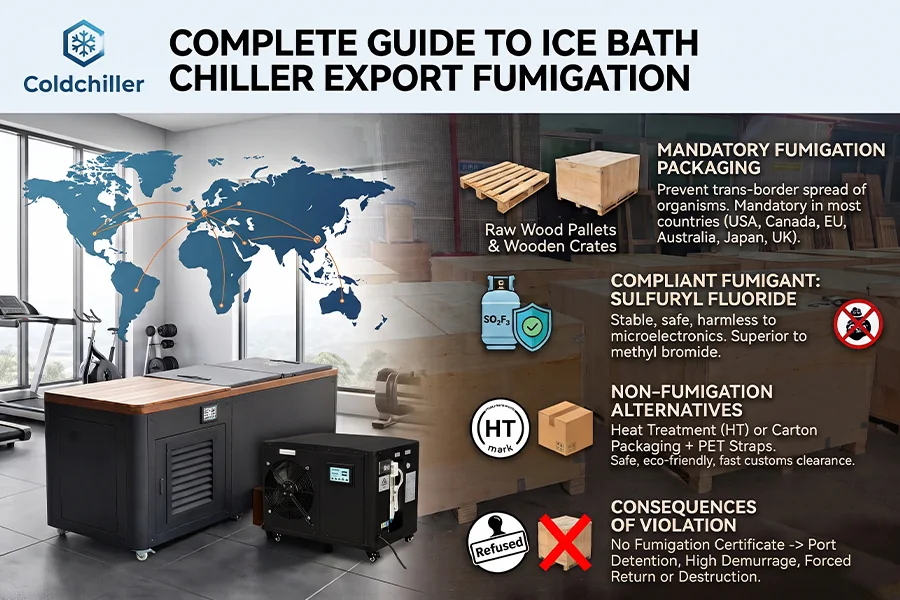
Cold Plunge Chiller Transport:Fumigation Guidelines
[pac_divi_table_of_contents exclude_headings_by_class="include" included_headings="off|on|on|off|off|off" active_link_highlight="on" level_markers_3="icons" title_container_padding="10px|15px|10px|15px|true|false" title_container_bg_color="#333333"...
The Sauna & Ice Bath Opportunity You Can’t Ignore
[pac_divi_table_of_contents exclude_headings_by_class="include" included_headings="off|on|on|off|off|off" active_link_highlight="on" level_markers_3="icons" title_container_padding="10px|15px|10px|15px|true|false" title_container_bg_color="#333333"...
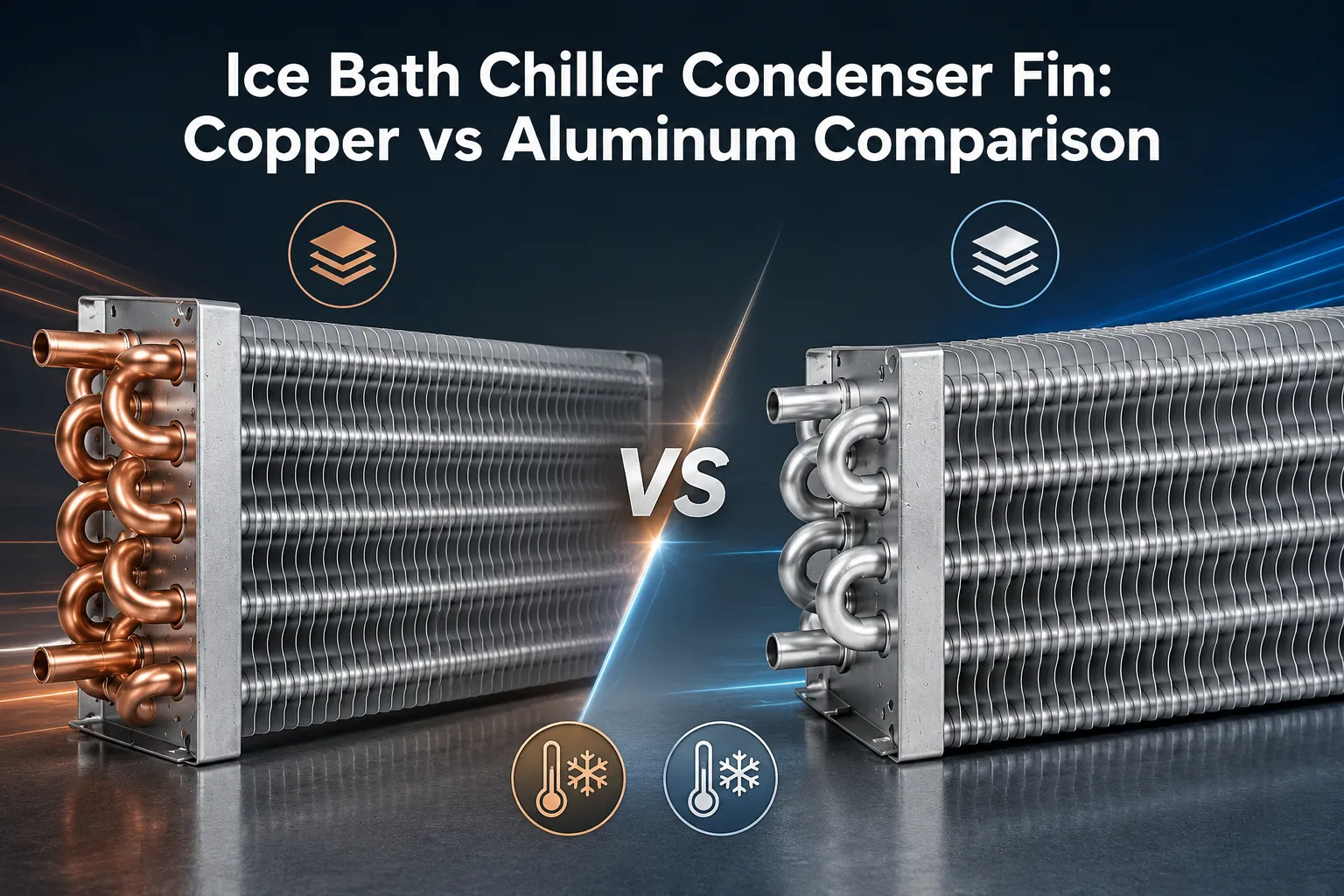
Ice Bath Chiller Condenser Fin: Copper vs Aluminum Comparison
[pac_divi_table_of_contents exclude_headings_by_class="include" included_headings="off|on|on|off|off|off" active_link_highlight="on" level_markers_3="icons" title_container_padding="10px|15px|10px|15px|true|false" title_container_bg_color="#333333"...
0 Comments